LOOMACRES WILDLIFE MANAGEMENT 800-243-1462
  • HOME
    • NEWS
    • Meet The Team
  • Contact
    • Employment
  • Airport Wildlife Hazard Training
    • Upcoming Training Schedule
    • Advanced Management Training
    • Virtual-Remote Training Registration
    • Planning Construction and Development Activities
    • Wildlife Hazard Managment Plans >
      • Wildlife Hazard Project Evaluations
      • Airport Turf and Seeding Consultation
    • Airport Class Notifications >
      • UnSubscribe Airport Class Notifications
    • Testimonials
    • Airport Training Survey
  • Blog
  • Airports
    • Services
    • Wildlife Strike Reporting >
      • International Bird Strike Docs
      • Resources
      • Radar Fact Sheet
    • Wildlife Hazard Assesments >
      • Keeping Birds Out Airport Terminals
      • Drone Detections
      • Drone Threats
      • State Permits - Wildlife Permits Needed for Wildlife Control at Airports in the United States
    • Wildlife Conflict Resolution >
      • Beaver Management
      • White-Tailed Deer
      • VULTURES
      • Canada Goose Management
      • Cormorant Management
      • Red-tailed Hawk
      • Gull Management
      • Waterfowl Management Services
      • Canada Goose Control Services
      • Deer Management
      • Crow Management
      • Goose Nest Depredation
    • Wildlife Removal
    • Wildlife Management Supplies
    • Wildlife Hazard Site Visits
    • Research Scientific Papers
    • FAA Wildlife Strike Mitigation Docs
    • Published Documents >
      • Airports Hiring USDA Wildlife Services
      • Migration
      • Atlantic Waste
      • Impact of Raptor Presence
      • Road-based survey for estimating Wild Turkey
      • Suburban Deer Management
      • Falconry as a Management Tool
      • Dogs as a Management Tool
    • Falconry as a Management Tool
  • PODCAST
    • YouTube
Picture
Avian Radar

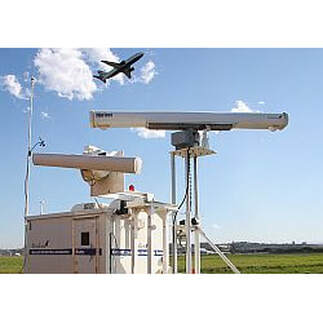
Avian radar is one of the fastest growing tools used in airport wildlife management. Its versatility and ability to work at night and in low visibility conditions make it a powerful tool. Before the use of radar, potential bird hazards on airports had to be observed with the naked eye or with the help of optics. Radar allows detection of these hazards well beyond the range of the best binoculars, and before they become an immediate threat to aircraft. Birds that might otherwise not be observed can be revealed due to the large area that is covered by radar. After detection, wildlife controllers can be dispatched to disperse the birds, and ATC can notify pilots of the hazard. Radar also allows large scale flight patterns and local bird movements to be identified. Radar data can be stored and analyzed over time to reveal local attractants and provide insight as to why birds are moving across the airfield. This is particularly important for developing Wildlife Hazard Management Plans for airports. The use of radar is an excellent way to prove the effectiveness of implemented management techniques. Unlike human observers, radar is effective at detecting birds at night and in many harsh weather conditions.

Currently, research is being done to develop "sense-and-avoid" functionality where a hazard can be detected and information on how to maneuver safely is relayed immediately to in-air pilots without the need of a radar technician.

Loomacres Wildlife Management provides our clients with comprehensive avian radar services. By incorporating radar technology into our Wildlife Hazard Assessment our clients can rest assured they are able to see a complete picture of the potential wildlife hazards on their airport.

Avian Radar Fact Sheet


HOME

CONTACT

AIRPORT WILDLIFE HAZARD TRAINING

BLOG


AIRPORTS

AIP GRANT APPLICATION

LANDFILLS

HATCHERIES

PODCAST


1-800-243-1462
[email protected] 
LOOMACRES © COPYRIGHT 2025
​ALL RIGHTS RESERVED.

website design and maintenance: upstatenyit.com
  • HOME
    • NEWS
    • Meet The Team
  • Contact
    • Employment
  • Airport Wildlife Hazard Training
    • Upcoming Training Schedule
    • Advanced Management Training
    • Virtual-Remote Training Registration
    • Planning Construction and Development Activities
    • Wildlife Hazard Managment Plans >
      • Wildlife Hazard Project Evaluations
      • Airport Turf and Seeding Consultation
    • Airport Class Notifications >
      • UnSubscribe Airport Class Notifications
    • Testimonials
    • Airport Training Survey
  • Blog
  • Airports
    • Services
    • Wildlife Strike Reporting >
      • International Bird Strike Docs
      • Resources
      • Radar Fact Sheet
    • Wildlife Hazard Assesments >
      • Keeping Birds Out Airport Terminals
      • Drone Detections
      • Drone Threats
      • State Permits - Wildlife Permits Needed for Wildlife Control at Airports in the United States
    • Wildlife Conflict Resolution >
      • Beaver Management
      • White-Tailed Deer
      • VULTURES
      • Canada Goose Management
      • Cormorant Management
      • Red-tailed Hawk
      • Gull Management
      • Waterfowl Management Services
      • Canada Goose Control Services
      • Deer Management
      • Crow Management
      • Goose Nest Depredation
    • Wildlife Removal
    • Wildlife Management Supplies
    • Wildlife Hazard Site Visits
    • Research Scientific Papers
    • FAA Wildlife Strike Mitigation Docs
    • Published Documents >
      • Airports Hiring USDA Wildlife Services
      • Migration
      • Atlantic Waste
      • Impact of Raptor Presence
      • Road-based survey for estimating Wild Turkey
      • Suburban Deer Management
      • Falconry as a Management Tool
      • Dogs as a Management Tool
    • Falconry as a Management Tool
  • PODCAST
    • YouTube